Some artists arrive through lineage, inheriting a family tree of musicians, instruments, and expectations. Blue Jay Blue is the opposite kind of origin story — the kind that begins with a kid alone in a room, spinning his mother’s LOVE records until the lyrics rewired something essential. No inherited tradition, no musical ancestry. Just obsession, curiosity, and a voice that found its first stage at age twelve in a band called Lost Civilization back in 1982. That early spark never left. It simply evolved — across towns, genres, decades, and miles.
Blue Jay Blue (Jay Bradley) grew up in Ojai, California, and you can hear it in everything he does. Not in a postcard sense, but in the way a hometown becomes a permanent frequency. Ojai’s East End birthed Death Folk, a genre carved out by Nick Schlesinger and John Adams — a fusion of folk, punk, rock, and a darker emotional undercurrent. Blue Jay Blue absorbed that environment naturally: friends forming bands, shows in small spaces, collaborations that stretched from Hardcore to the earliest Death Folk experiments. He played in bands until 2018, then stepped into his solo chapter in 2019. The shift wasn’t reinvention — it was refinement. A distillation of everything he’d carried from Ojai into adulthood.
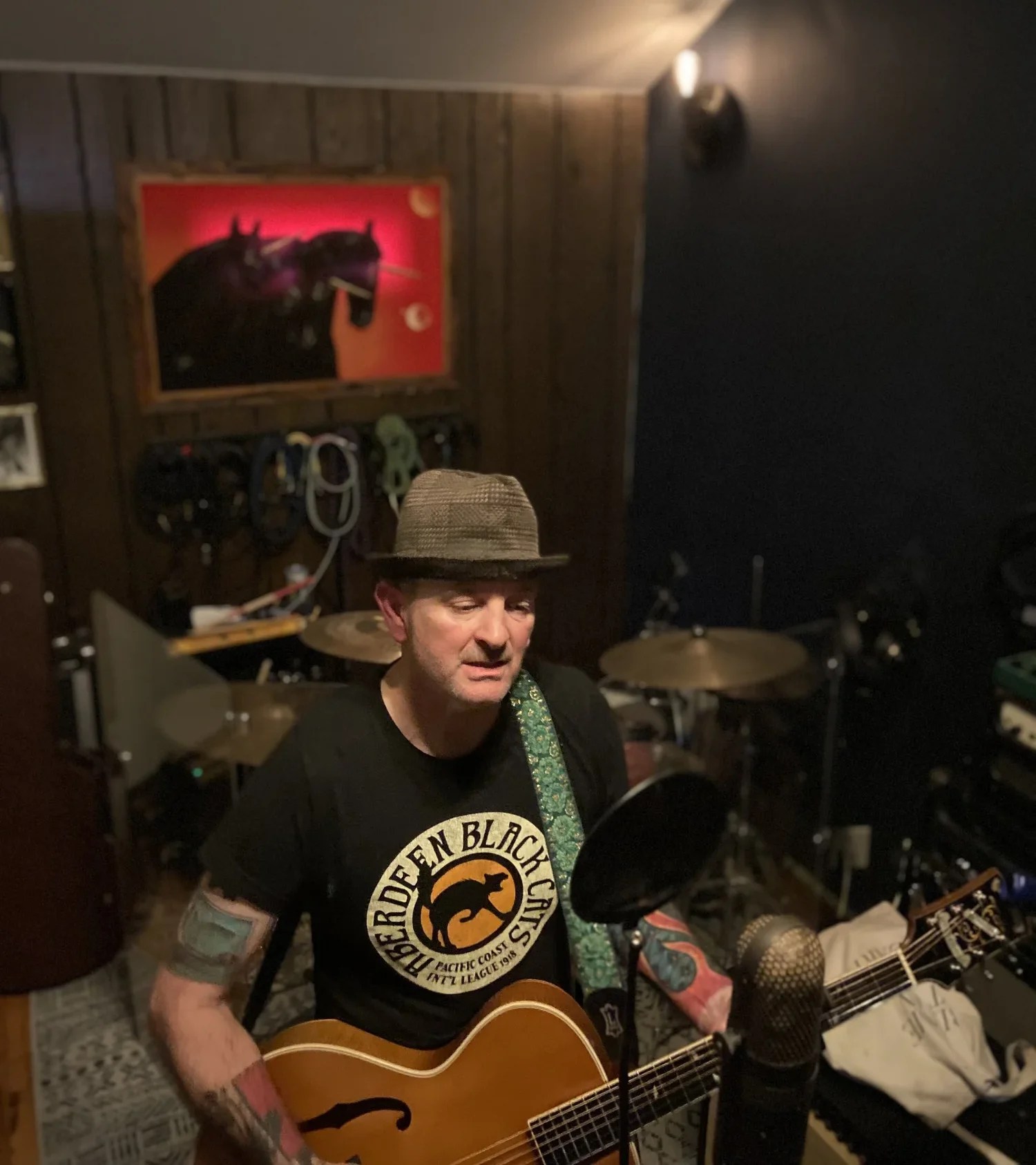
Photo courtesy of Gorbie Lathe Cuts
Since 1991, Blue Jay Blue has lived in Seattle, and the city’s atmosphere seeped into his tone. He jokes that people tell him his music has a darker vibe because of it — and they’re right. His sound is the meeting point between Ojai’s sun‑baked mysticism and Seattle’s overcast introspection.
He describes Death Folk as folk inspired by rock and punk, with traditional flavors. But that undersells the emotional honesty in his delivery. His music feels handmade, unvarnished, and deeply human — genuine and original, as he puts it.
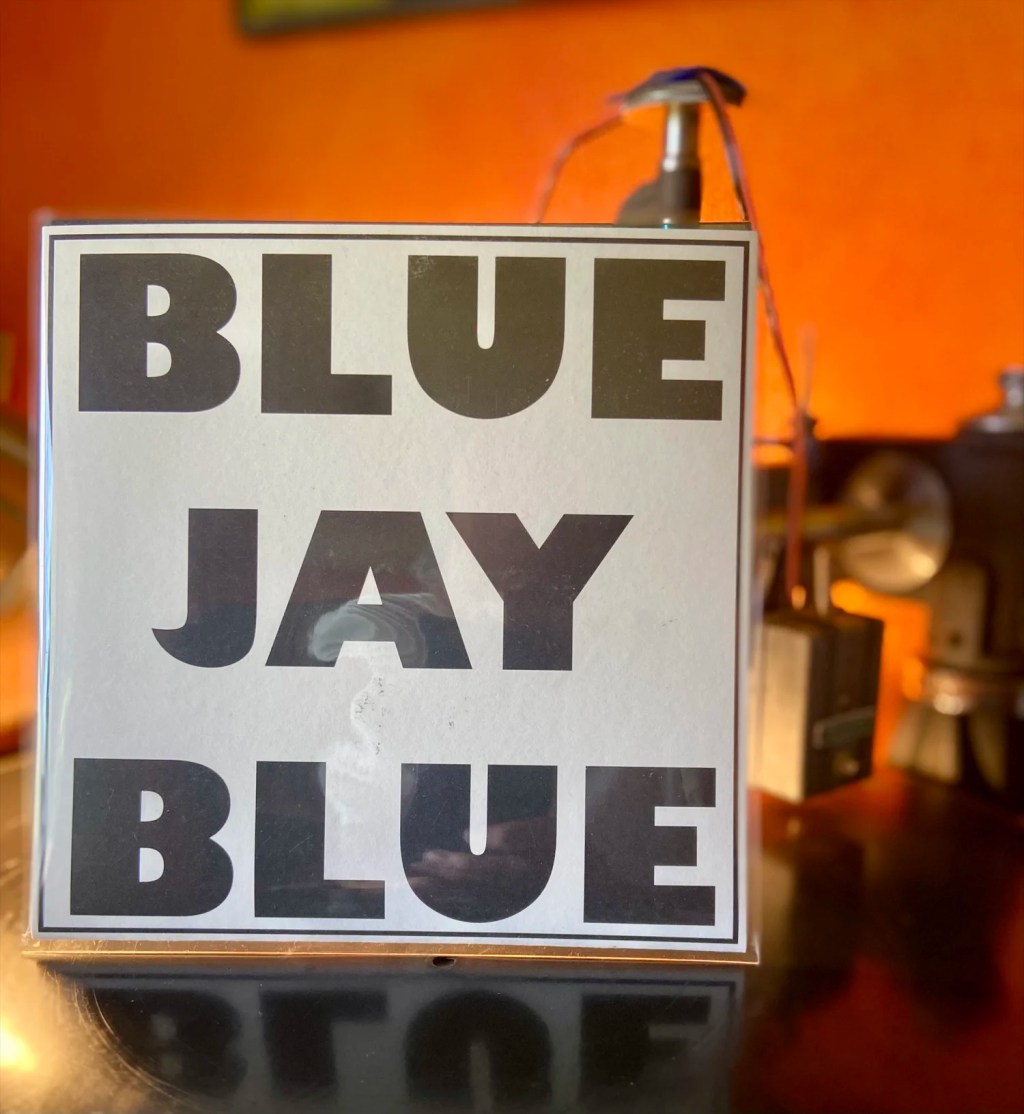
The Dead Mono Sessions are more than a recording project — they’re a lineage. Barry Brusseau of gorbielathecuts.com was gifted a MONO tape deck once owned by Fred Cole of DEAD MOON, passed down by Toody Cole after Fred’s death. Barry repaired it, bought a record lathe, and began cutting short‑run MONO records to honor Fred’s legacy.
Blue Jay Blue became one of the artists invited into this intimate, analog ritual — recorded at chapelrecording.com in Milwaukie, Oregon. These sessions produce a sound that can only exist in MONO: raw, immediate, and hauntingly physical. It’s a perfect match for Death Folk’s stripped‑down emotional weight.
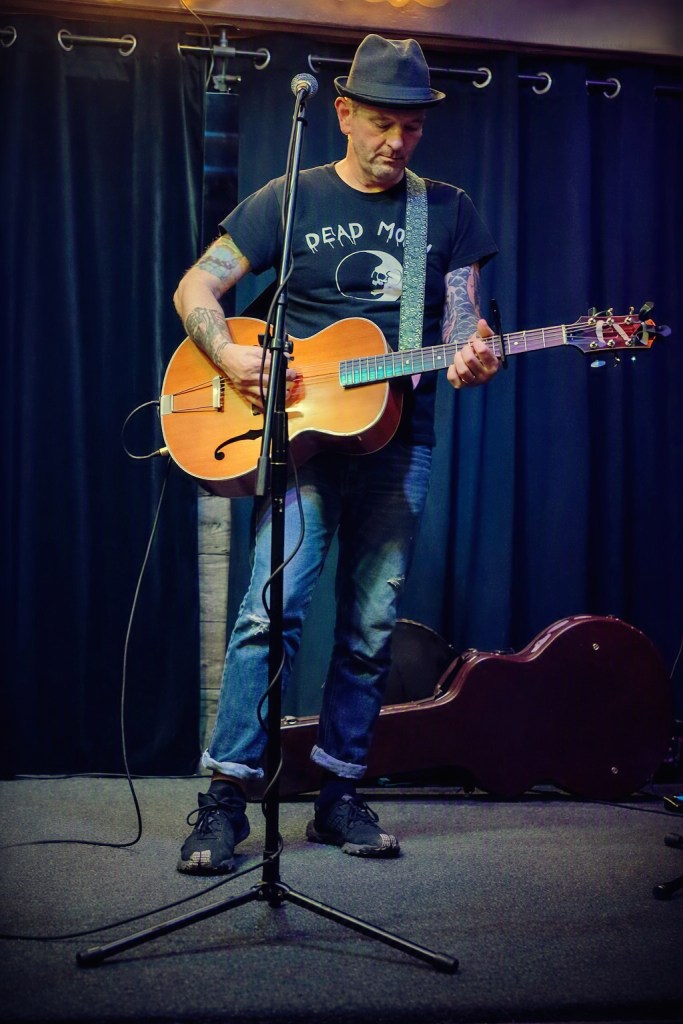
Photo By Judy Lyon
To listen to Blue Jay Blue – The Dead Mono Sessions go HERE
Track Highlights
Track #1 — “Hank Greenberg (is hitting Homers off of Hitler now)”
A historical gut‑punch wrapped in folk storytelling. The song centers on Jewish baseball legend Hank Greenberg, who famously said, “I came to feel that if I, as a Jew, hit a Home Run, I was hitting it off of Hitler.” Blue Jay Blue channels that defiance into a track that feels both archival and alive — a reminder of how personal triumph can become political resistance.
Track #2 — “Saint Cecilia”
A sparse, devotional offering to Saint Cecilia, the patron saint of music. It’s short, gentle, and reverent — the kind of track that feels like a whispered prayer captured on tape. In the context of the Dead Mono Sessions, it becomes even more poignant: a tribute recorded on a machine with its own sacred history.
Blue Jay Blue’s work is a living bridge — between Ojai and Seattle, between Hardcore roots and Death Folk evolution, between modern songwriting and the analog ghosts of the Dead Mono tape deck. His music carries the weight of place, memory, and intention. It’s honest, unpretentious, and carved from real experience.
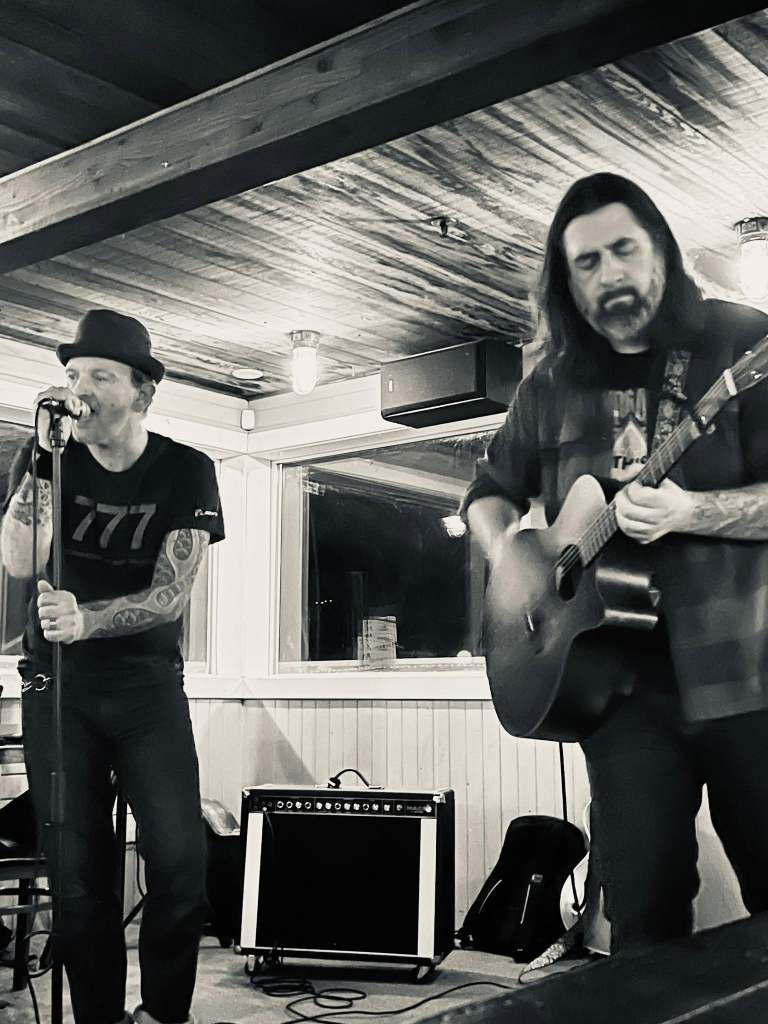
Photo by Blue Jay Blue
Feature photo courtesy of Gorbie Lathe Cuts
Keep up with Blue Jay Blue

